

Older buildings hide things newer standards were built to avoid. A wall that looks like any other wall can carry asbestos sheeting behind the plaster. A window frame repainted a dozen times over might still have lead in one of those coats. Hazardous materials are one of the most common and most preventable risks in insurance repair, restoration, and remedial work, precisely because they’re invisible until someone starts opening things up.
What counts as a hazardous material on a construction site
A hazardous material is any substance that can cause harm to health if it’s disturbed, inhaled, or handled without the right controls. In construction and restoration work, the ones that come up most often are:
Asbestos
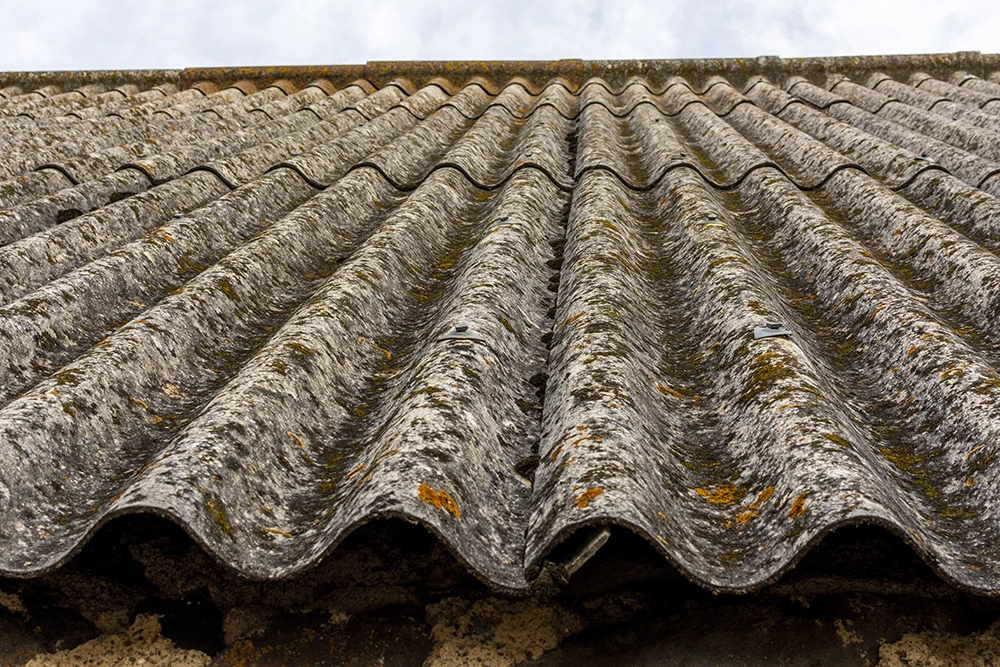
used in Australian building products until it was banned outright in 2003, so any building built or renovated before then may contain it. It shows up in sheeting, roofing, eaves, vinyl flooring, and pipe insulation, among other places.
Lead
found in paint used before the 1970s, and still present in older plumbing and some building hardware. Disturbing old paint through sanding, scraping, or demolition is the main way people get exposed.

Mould
not a chemical hazard, but a biological one, and it’s one of the most common materials our teams encounter on water damage and insurance repair jobs. Extensive mould growth needs its own containment and remediation approach, not just a wipe-down.

Synthetic mineral fibres
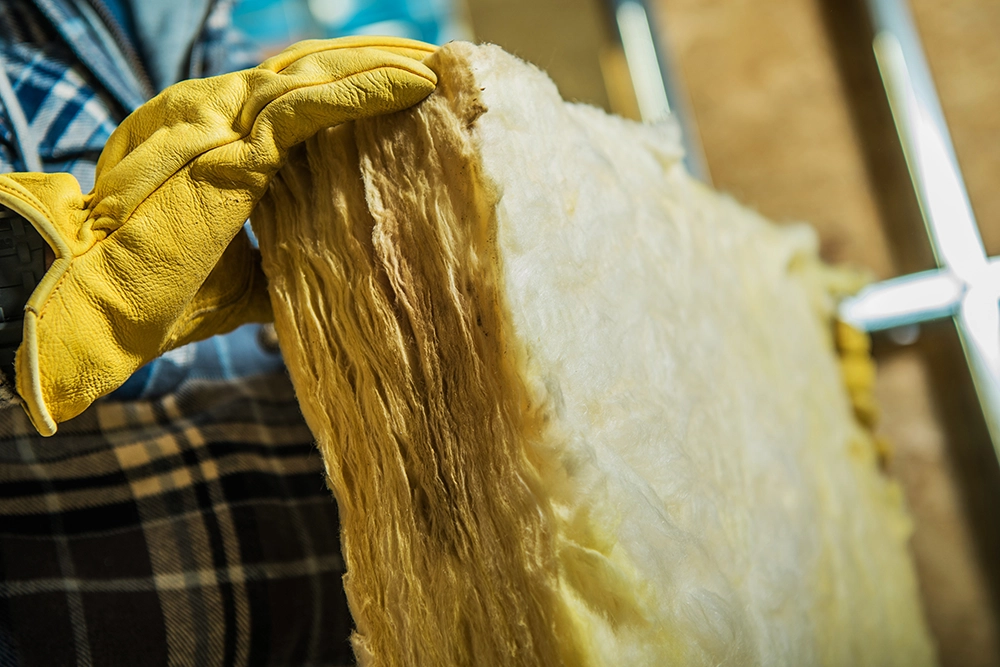
found in insulation batts and ceiling tiles, generally lower risk than asbestos but still requiring basic handling precautions.
Contaminated soil and site materials
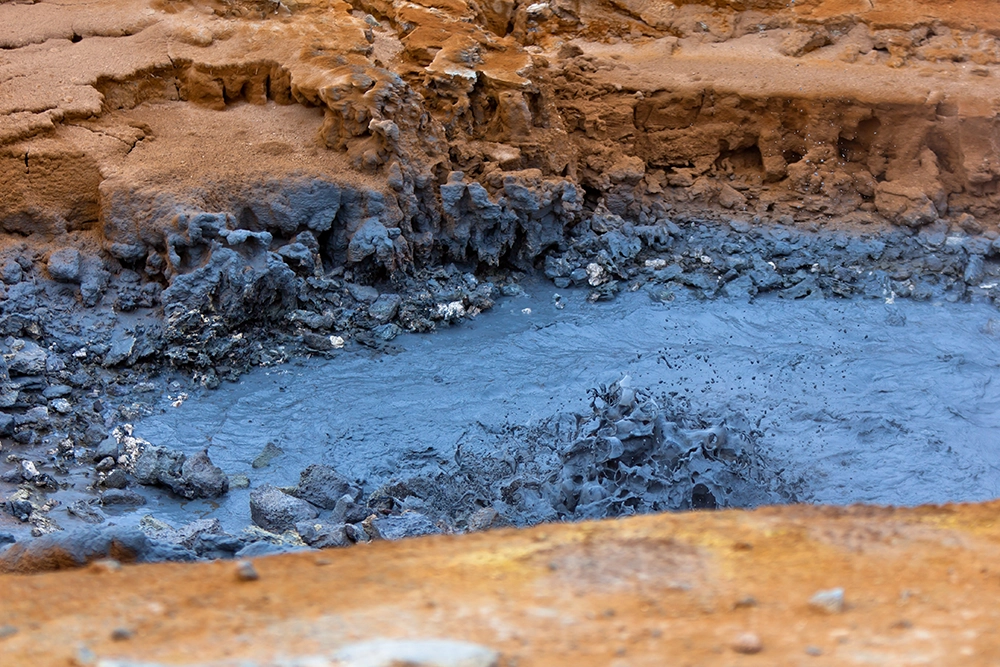
relevant on major projects and sites with an industrial or commercial history, where old fuel tanks, chemical storage, or historical land use can leave contamination behind.
Why asbestos gets treated differently to everything else on this list
Asbestos sits in its own category because there’s no known safe level of exposure, and the health effects — including mesothelioma and asbestosis — can take decades to appear after exposure. That’s why the regulatory framework around it is more prescriptive than for any other material.
In NSW, removing asbestos requires a specific licence in most circumstances:
- A Class A licence is required to remove friable asbestos — material that can be crumbled or reduced to powder by hand — in any quantity.
- A Class B licence covers non-friable (bonded) asbestos above 10 square metres.
- Below 10 square metres of non-friable asbestos, removal can technically be done without a licence, but strict conditions still apply, confirming the material first, following the asbestos Code of Practice, using the right PPE, avoiding power tools, and disposing of the waste correctly at an authorised facility. SafeWork NSW's own guidance is that even where unlicensed removal is legally permitted, engaging a licensed professional is still the safer choice.
- Friable asbestos always requires a licensed Class A removalist, regardless of quantity — this is not an area where a judgement call on "how much" changes what's required.
What happens when hazardous material is suspected on a job
A responsible process doesn’t wait until material is disturbed to find out what it is. Before demolition, repair, or renovation work begins on a building old enough to be at risk, the standard approach includes:
- A hazardous materials survey or assessment of the areas the work will affect, carried out before anything is disturbed
- Sampling and laboratory testing of any suspect material, rather than assuming based on appearance alone
- A documented removal plan if hazardous material is confirmed, specifying the licensed contractor, containment method, and disposal pathway
- Air monitoring during and after removal for higher-risk work, to confirm the area is safe before anyone re-enters
- Correct waste transport and disposal to a facility licensed to accept that material — asbestos waste in particular has strict chain-of-custody and disposal tracking requirements
Skipping this process isn’t just a compliance risk. It’s how people get exposed to something that, in the case of asbestos, has no safe threshold at all.
Why this matters for insurers, strata managers, and building owners
Insurance repair and remedial work frequently disturbs older building fabric — that’s the nature of the job. A water leak that needs a ceiling opened up, a fire-damaged wall that needs replacing, a bathroom being stripped back to the studs: all of these can expose material nobody knew was there.
It’s reasonable to ask a contractor how they handle hazardous material risk before work starts, not after something unexpected turns up mid-works. A builder who treats this as a standard part of scoping and pricing a job, rather than a surprise variation once demolition starts — is one who understands both the regulatory obligation and the real risk to the people doing the work.
At Riverwall, hazardous material risk is assessed as part of how we scope every applicable job, with testing, licensed removal, and proper disposal built into the process