
When it comes to remedial building works, sustainability isn’t just a buzzword — it’s a practical investment. Today’s property owners and strata communities are increasingly seeking solutions that not only repair and extend the life of their assets, but also improve energy performance, reduce long-term costs, and enhance environmental outcomes.
At Riverwall Constructions, we see every remedial project as an opportunity to future-proof a building. Whether it’s façade rectification, waterproofing, or cladding replacement, integrating sustainable materials and design choices can deliver real financial and environmental payback.
1. Smarter Materials for Longer Life
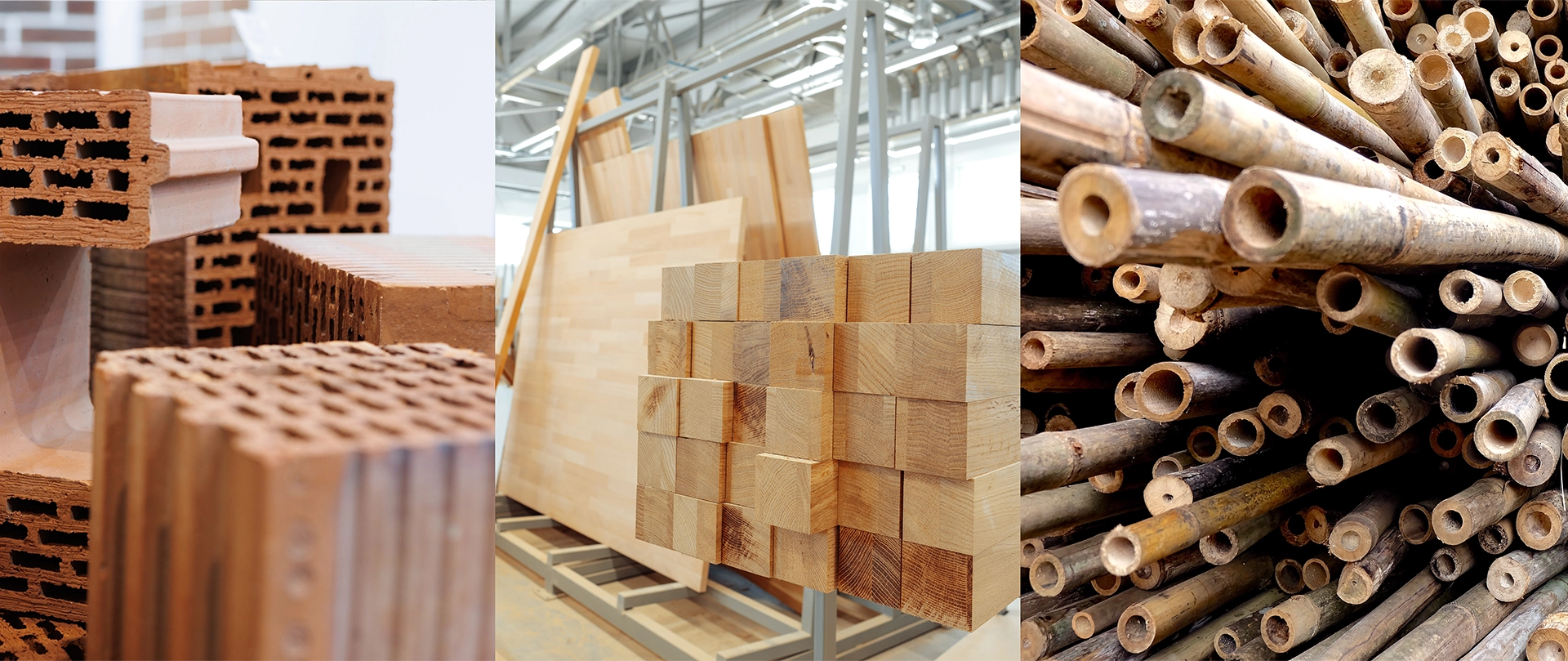
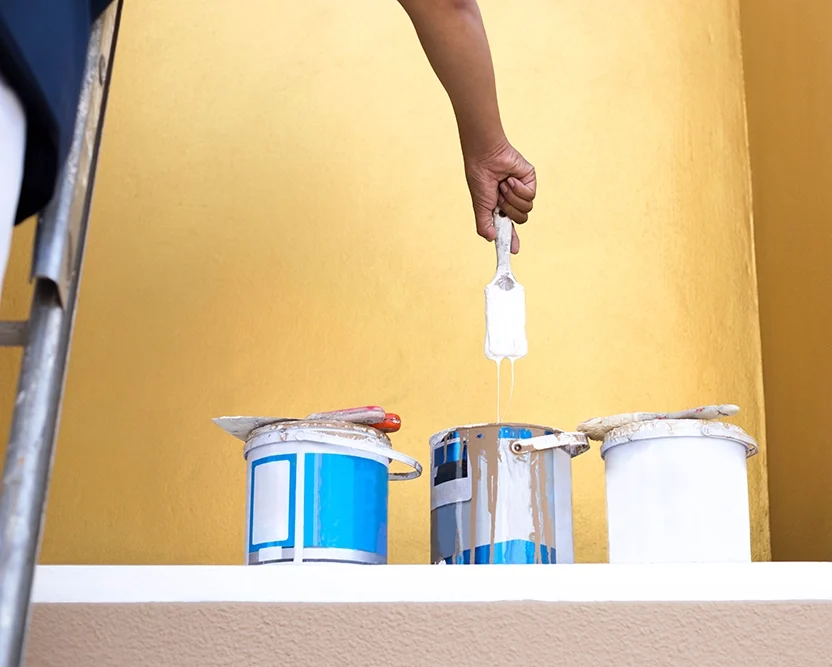
Choosing low-impact and high-performance materials during remediation extends a building’s lifespan while reducing maintenance cycles. Recycled steel, low-VOC paints, thermally efficient glazing, and composite cladding systems are just a few examples. These materials not only withstand harsh Australian conditions but also improve energy efficiency and indoor air quality — meaning less waste and fewer future repairs.
2. Energy-Efficient Upgrades
Remedial projects often involve access to key structural and service elements, making it the perfect time to introduce energy-saving measures. Examples include:
Upgrading to LED lighting and motion sensors in common areas
Installing solar panels or battery storage
Improving insulation and sealing building envelopes to minimise heat loss
Integrating smart building systems that monitor energy use
These upgrades lower operational costs and can often be offset by government rebates or energy efficiency grants.
3. Water-Smart Design
Sustainable remedial works can also reduce water consumption through the installation of rainwater harvesting systems, water-efficient fixtures, and landscaping that uses drought-tolerant species. In strata and commercial settings, these initiatives reduce utility costs and create more resilient, environmentally responsible buildings.

4. Reducing Waste and Carbon Footprint
Riverwall’s approach to remediation prioritises waste minimisation — from careful demolition and material separation to recycling concrete, metal, and cladding components. By working with certified recycling partners and selecting suppliers with verified sustainability credentials, we help clients meet both compliance and ESG (Environmental, Social, and Governance) targets.

5. The Financial Payback
Sustainable upgrades aren’t just good for the planet — they’re good for business. Reduced energy bills, lower maintenance costs, increased asset value, and improved NABERS or Green Star ratings all translate into tangible returns. Buildings with documented sustainability performance often attract higher valuations, lower insurance premiums, and stronger tenant or buyer demand.

A Forward-Thinking Approach to Remediation
As building standards evolve and the industry moves toward net-zero targets, integrating sustainable design into remedial projects is no longer optional — it’s essential. By taking a proactive, future-focused approach, Riverwall Constructions helps clients transform necessary repairs into long-term investments in resilience, efficiency, and value.
Ready to explore sustainable remedial solutions?
Speak with our team about how we can incorporate green materials, smarter systems, and sustainable design into your next remedial project.