
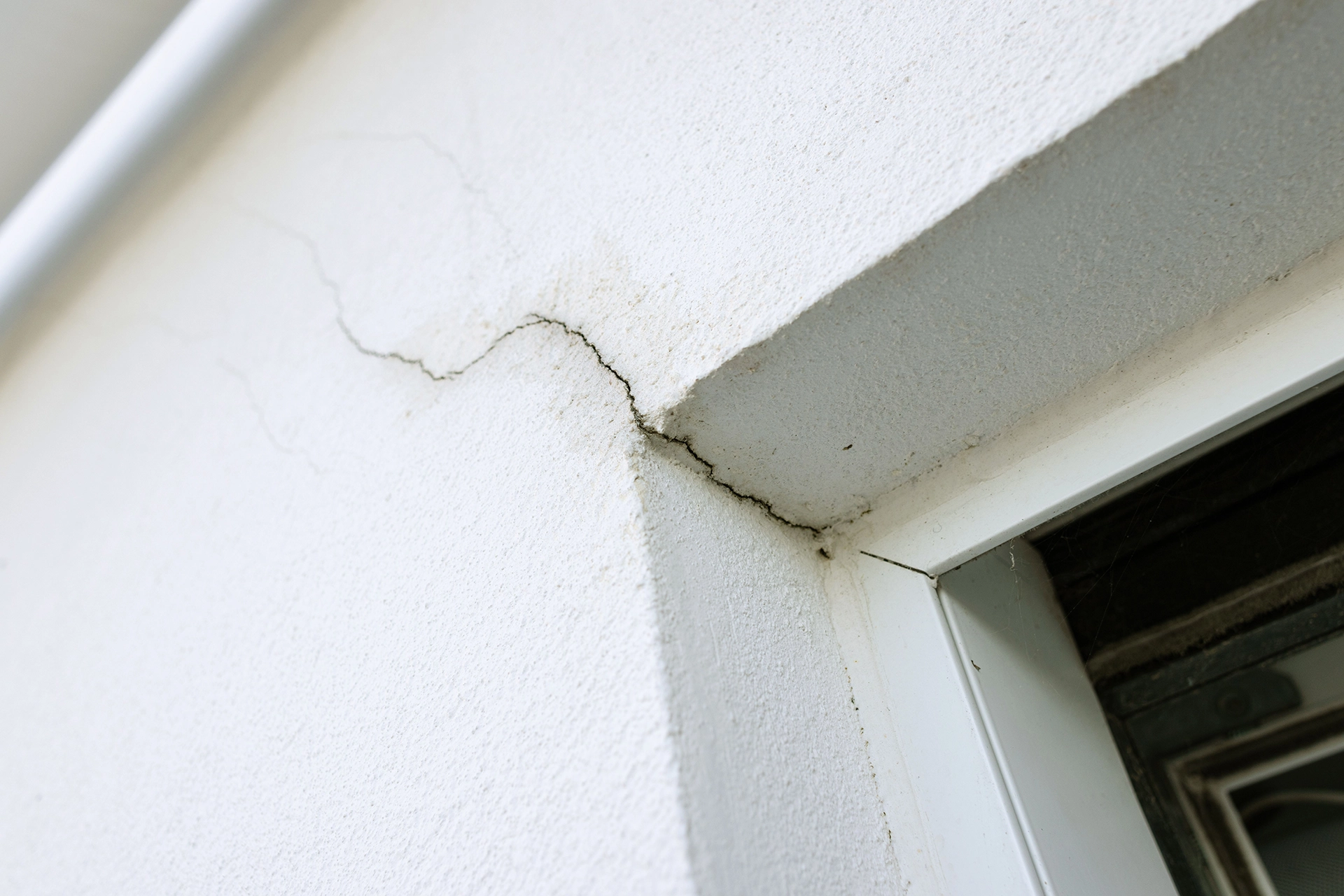
Structural damage doesn’t happen overnight — it develops slowly over time. Catching early warning signs can save you from major repairs, insurance disputes, and safety risks down the track. Whether you own a home, strata property, or commercial building, regular inspections and awareness of these indicators are key to maintaining your property’s integrity.
1. Cracks in Walls, Ceilings, or Brickwork
Not all cracks are serious, but their pattern and location can reveal a lot.
- Hairline cracks in plaster are often cosmetic, caused by temperature changes or settling.
- Diagonal or stair-step cracks in brickwork, particularly around windows or doors, may signal movement in the foundation.
- Wide or widening cracks (greater than 5mm) are more concerning and should be assessed by a qualified builder or engineer.
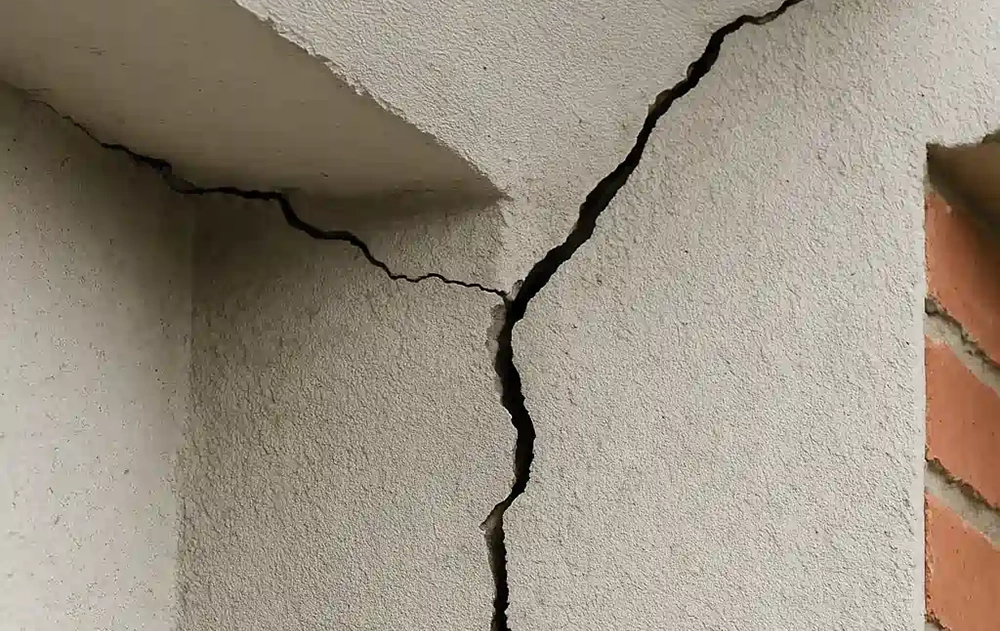
2. Uneven or Sloping Floors
If you notice furniture leaning slightly or doors no longer staying open, it could indicate uneven settlement beneath the structure. Over time, shifting soil, water damage, or poor subfloor support can lead to uneven flooring — a telltale sign of structural strain.
3. Sticking Doors and Windows
Doors or windows that suddenly jam or don’t close properly often point to movement in the frame. While humidity can cause swelling in timber, consistent issues across multiple openings may suggest the building is shifting.
4. Sagging or Cracked Ceilings
A sagging ceiling is never a good sign. It might indicate:
- Water leaks from above (often from a roof or plumbing issue)
- Failing roof trusses or ceiling joists
- Excessive weight in the roof cavity
If you notice new cracks, sagging sections, or discoloration, it’s important to act quickly.

5. Gaps Between Walls, Floors, or Skirting Boards
Separation between skirting boards and flooring, or between walls and ceilings, often signals movement in the structure. Even small gaps can widen over time, allowing moisture to enter and worsen the problem.
6. Water Damage and Dampness
Water is one of the most common culprits behind structural deterioration. Look out for:
- Peeling paint or bubbling plaster
- Musty smells
- Water stains on ceilings or walls
- Persistent dampness around the base of walls
Prolonged exposure can weaken timber framing, corrode steel, and cause subsidence in the foundation.
7. Roof Movement or Cracks in Roof Tiles
A warped roofline or cracked tiles can expose your home to leaks and water damage. Inside the roof space, visible sagging beams or cracked trusses can signal deeper structural issues that require urgent assessment.
8. Termite or Pest Damage
Structural timbers compromised by termites can lead to severe structural failure if not addressed early. Regular inspections are crucial, especially in older homes or high-risk areas.

What to Do if You Notice These Signs
- Document everything: Take clear photos of cracks, gaps, or changes over time.
- Avoid DIY fixes: Patching or repainting over damage can mask serious underlying issues.
- Engage professionals: Contact a licensed builder or structural engineer for an inspection and written report.
- Act promptly: The sooner the cause is identified, the less costly and disruptive the repairs will be.
Final Thoughts
Early detection is your best defence against costly structural repairs. By staying alert to subtle changes — and engaging the right experts — you can protect your property’s value, safety, and long-term performance.
If you’ve spotted any of these warning signs and need advice, our experienced team at Riverwall Constructions can help assess the issue and recommend the right solution.