If you’ve ever read a building report, scope of works, or architectural drawing and found yourself googling every second word, you’re not alone. Construction has its own language, and for many people – it can feel overwhelming, especially when you’re managing a repair, renovation, insurance claim or major project.
To make things easier, we’ve put together a simple guide to some of the most common terms you’ll come across in the Australian building industry.
Understanding the basic structural components of a building can help you make sense of reports and recommendations.
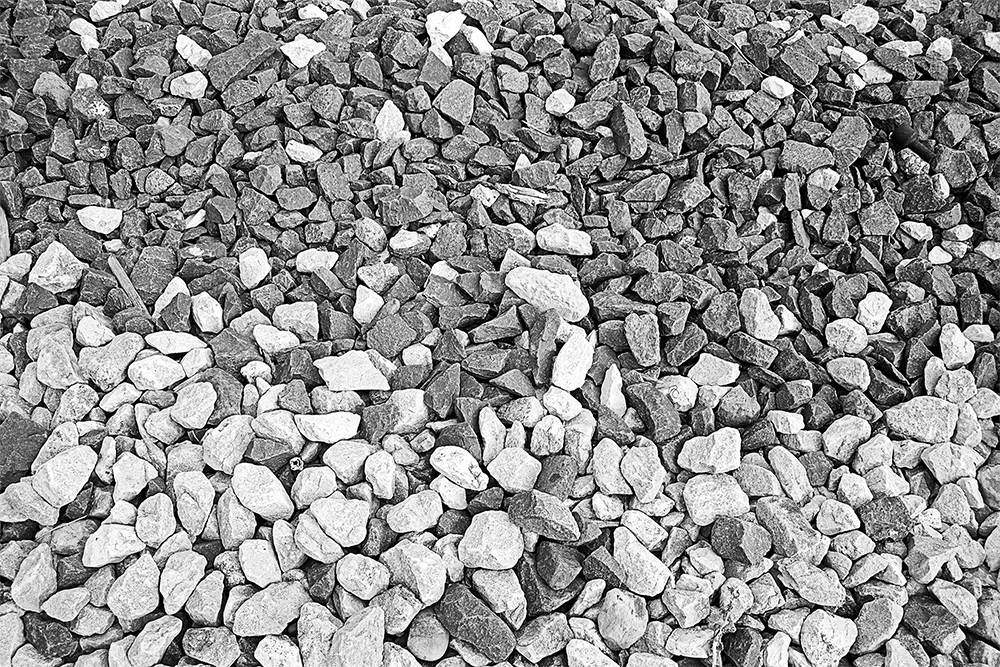
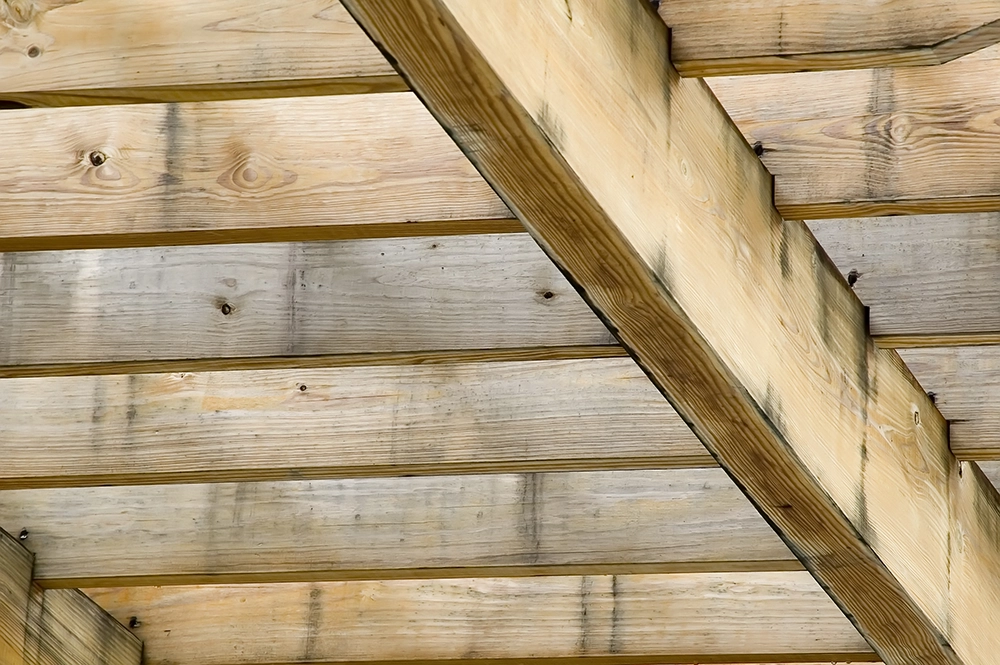
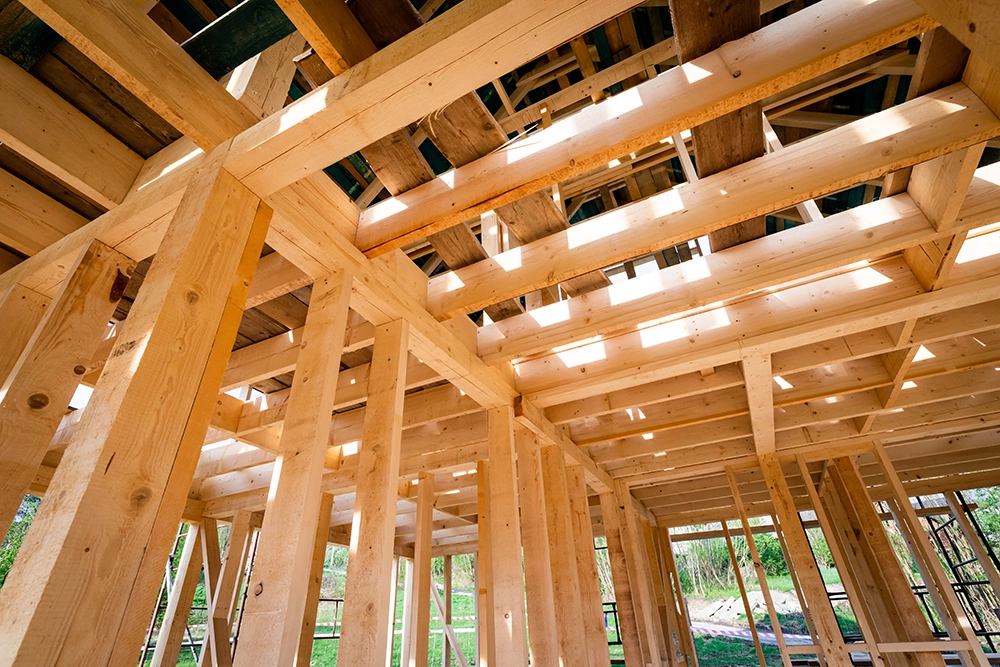
Aggregate refers to the crushed stone or sand mixed into concrete to give it strength and durability. A beam is a horizontal load-bearing member that helps support floors or roofs, while a joist is a similar structural piece used mainly to support floors or ceilings.

Aggregate

BEAM

JOIST
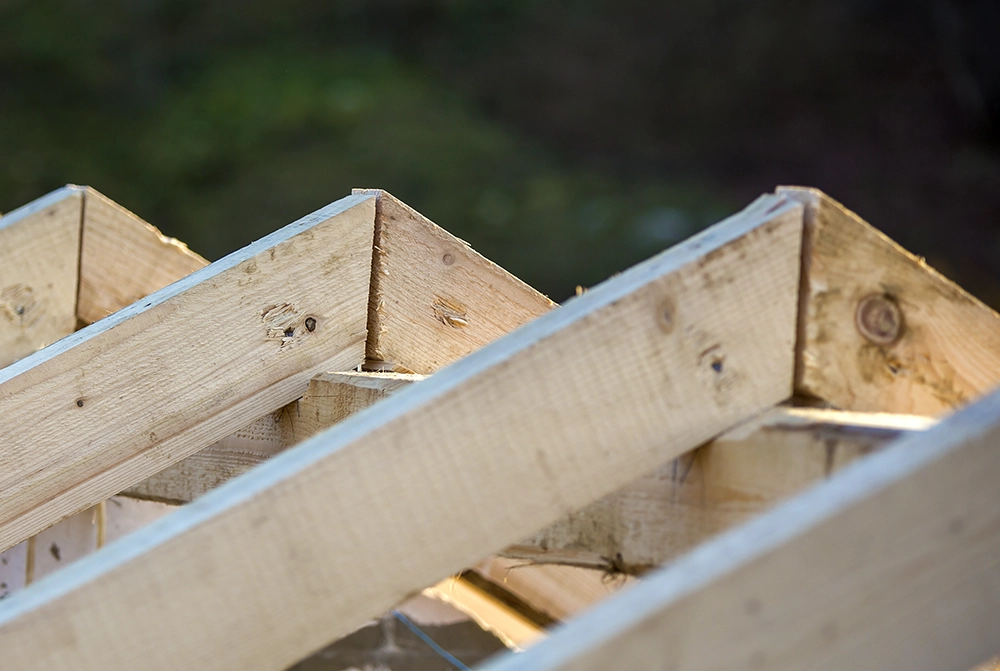
You may also come across rafters, which are the sloping timbers that form the shape of a roof, and trusses, which are triangular frameworks designed to distribute weight efficiently – commonly used in modern roof construction.
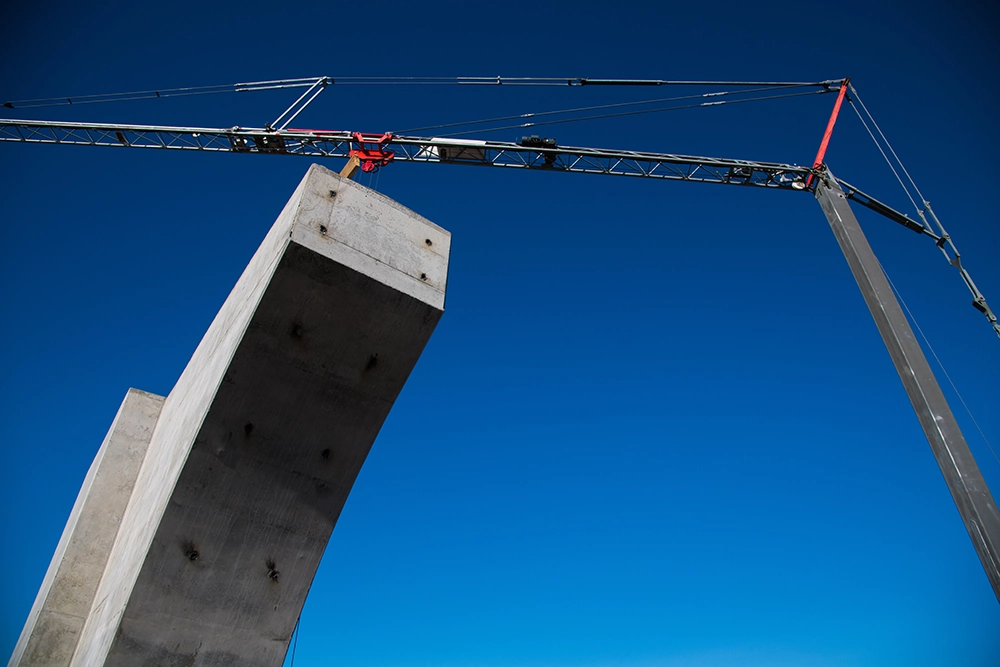
For concrete work, reinforcing steel is used to strengthen the slab or structure, ensuring it can withstand tension and movement. When a structure extends outwards with support only at one end, that is known as a cantilever – often seen in balconies, awnings, or architectural features.

rafters

trusses

reinforcing steel

cantilever

Construction and Finishing Terms
These terms often appear during the build or repair stage of a project.
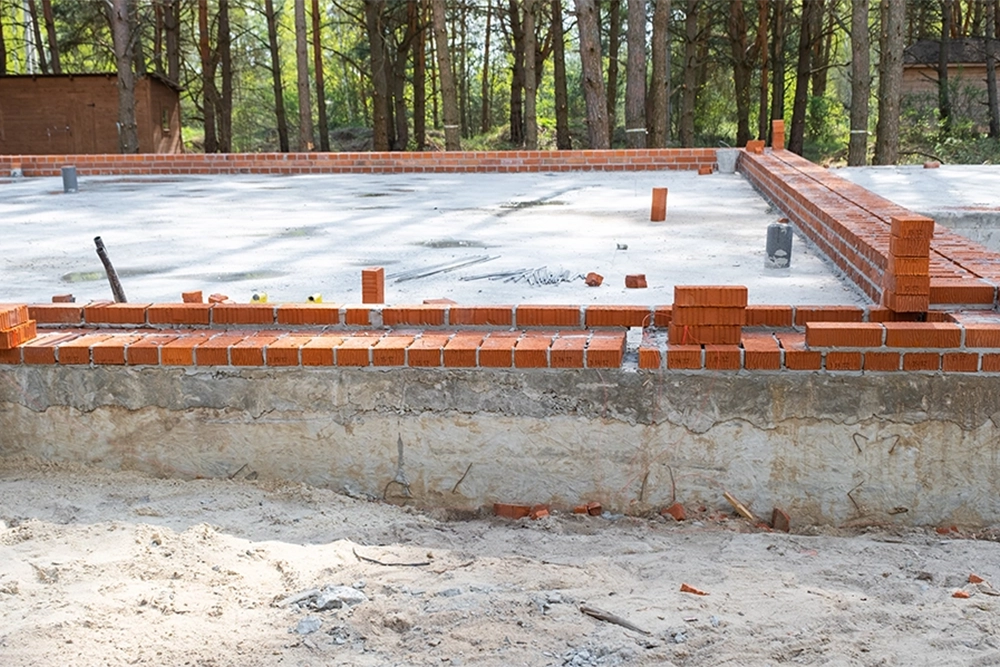
Backfill simply means replacing the soil that was removed during excavation – such as after drainage work or foundation repairs. When working with concrete, curing is the controlled drying process that allows the concrete to reach its required strength over time.
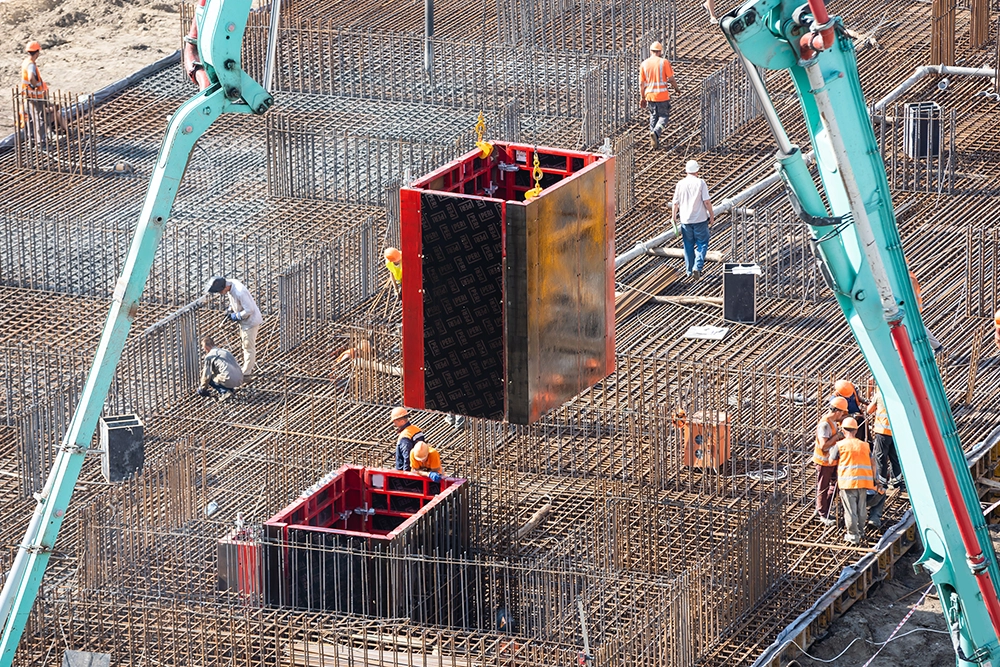
The facade is the outward-facing exterior of a building – essentially its visual identity. Behind the scenes, formwork is used to shape wet concrete until it sets.

Backfill

curing

facade

formwork
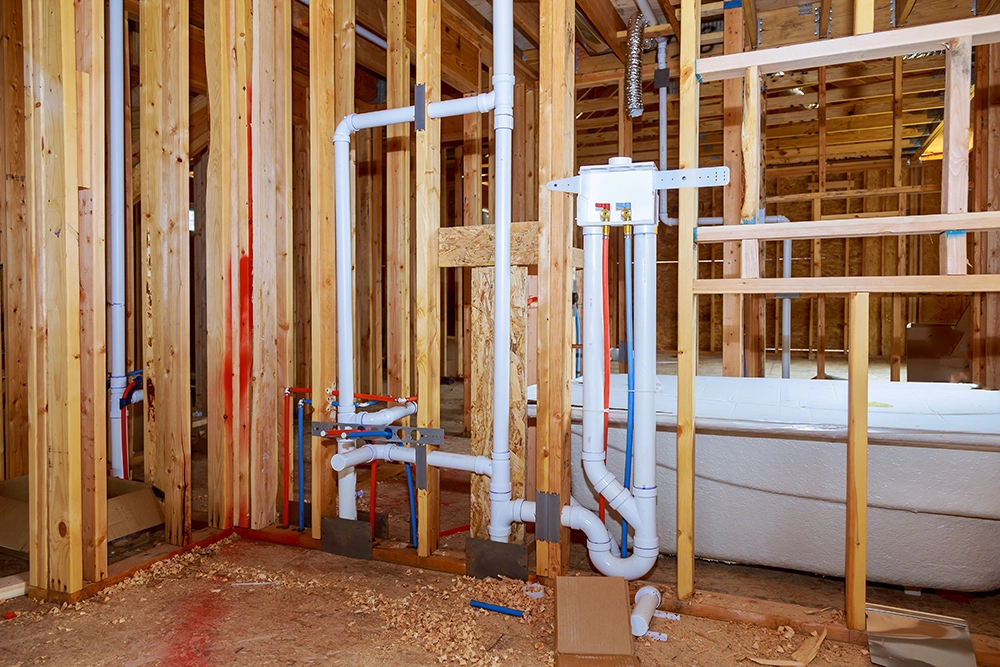
In the early stages of plumbing, electrical, and mechanical work, you’ll hear the term rough-in, which refers to installing services before walls and ceilings are closed up.
Engineers sometimes refer to shear, a force that causes parts of a material to slide across each other — something structures must be designed to resist.
You may also notice weepholes at the bottom of brick walls; these small openings allow moisture to escape and prevent internal damage.

rough-in

shear

weepholes
Construction and Finishing Terms
Before any project begins, planning and design play a crucial role.
An architect designs the building layout, provides drawings, and advises on materials and compliance. Their work is translated into construction drawings (sometimes referred to as blueprints), which are the detailed drawings builders follow on site.
A benchmark is a fixed reference point of known elevation used to ensure accurate height measurements throughout the project.

architect

construction drawings

benchmark

Modern construction frequently uses BIM (Building Information Modelling), a digital 3D process that allows architects, engineers, and builders to collaborate more effectively and identify potential issues before construction starts.
During the project, supervisors and consultants prepare field reports to document progress, site conditions, or issues needing attention.
And behind every quote or tender is a take-off, which is the process of calculating the exact materials required for a job – from concrete and steel to tiles, fixtures, and finishes.

BIM
(Building Information Modelling)

field reports

take-off
Construction language doesn’t need to be confusing. By understanding a few key terms, you can follow project updates more confidently and feel more in control throughout the build. If you ever come across a term you’re unsure about, just ask – we’re always happy to help.